The Difference Between Interior and Exterior Paint Formulations
Why you can never use exterior paint indoors, and the complex chemistry behind modern architectural coatings.
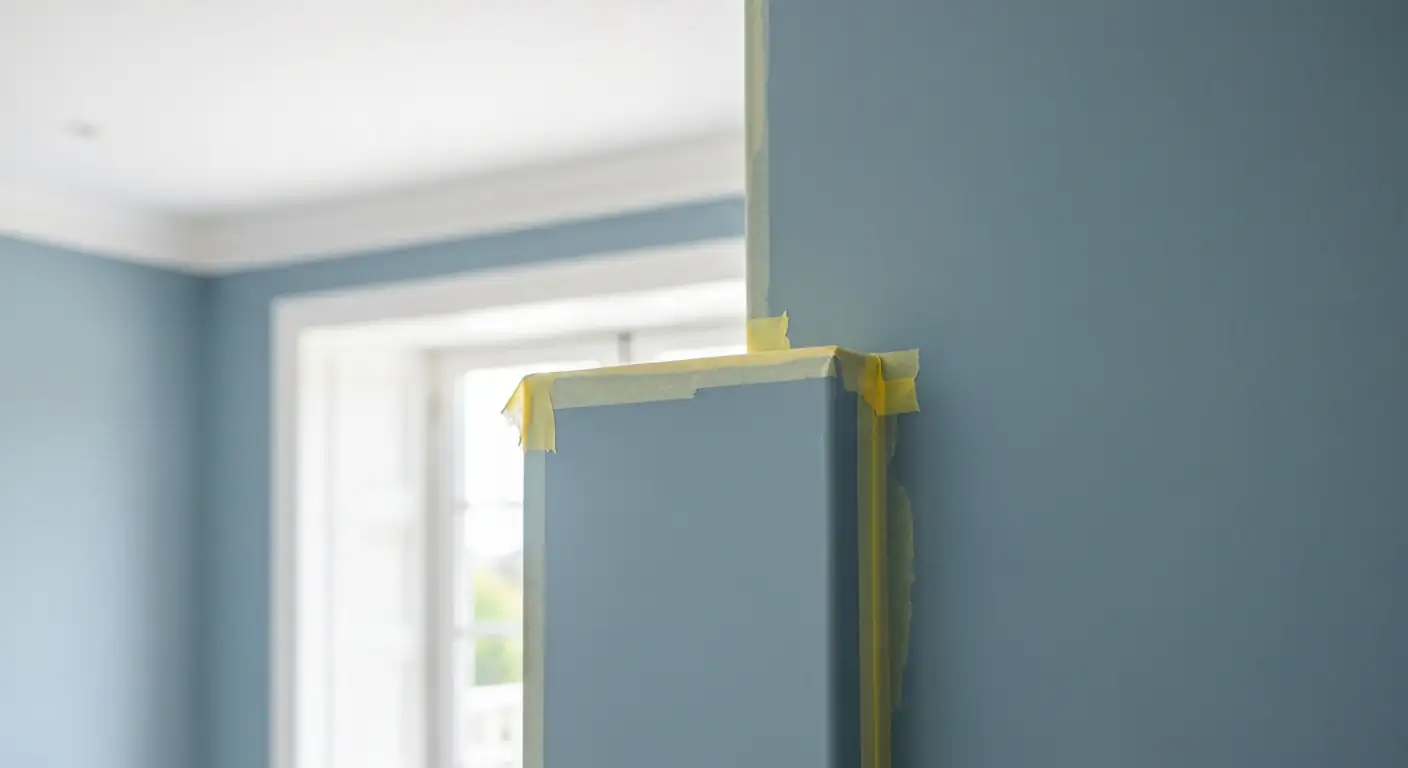
To the untrained eye, a can of paint is a can of paint. It’s liquid color designed to be applied to a surface. However, the chemical engineering that goes into modern architectural coatings is incredibly complex. The specific demands placed on a paint film vary drastically depending on whether it is applied inside a climate-controlled living room or on the weather-beaten exterior of a home.
Understanding the fundamental differences between interior and exterior paint formulations is crucial for ensuring a durable, safe, and beautiful finish. Using the wrong product in the wrong environment will inevitably lead to failure, and in some cases, health hazards.
The Demands of the Exterior
Exterior paints are formulated to survive a hostile environment. They must withstand blistering UV rays, freezing temperatures, driving rain, and constant fluctuations in humidity. To achieve this, exterior paints are engineered with softer, more flexible resins (the binders that hold the pigment together).
This flexibility allows the paint film to expand and contract with the substrate (like wood or siding) as temperatures change, preventing cracking and peeling. Furthermore, exterior paints contain a heavy dose of additives—specifically UV inhibitors to prevent fading and potent mildewcides and fungicides to stop organic growth.
The Requirements of the Interior
Interior paints face an entirely different set of challenges. They don't need to endure extreme weather, but they must withstand the rigors of daily life: scrubbing, scuffing, and constant touching. Therefore, interior paints are formulated with harder, more rigid resins.
This rigidity provides a tough, washable surface that resists staining and burnishing. Additionally, interior paints are engineered to dry quickly, level smoothly for a flawless appearance, and, crucially, to have low levels of Volatile Organic Compounds (VOCs) to ensure safe indoor air quality.
Why They Cannot Be Swapped
Using interior paint on the outside of a house is a recipe for rapid failure. The rigid resins will quickly crack and peel as the exterior substrate expands and contracts, and the lack of UV inhibitors and mildewcides will cause the color to fade and mold to flourish.
Conversely, using exterior paint indoors is not only ineffective but potentially dangerous. The softer resins will remain slightly tacky, attracting dirt and making the walls impossible to clean. More importantly, exterior paints contain high levels of VOCs and toxic fungicides that are designed to off-gas into the open air; releasing these chemicals in an enclosed indoor space poses a significant health risk.

Written by
Jacob, Pine St. Painting
Published